

The Step Pyramid of Saqqara: Complete Travel Guide & History | Cheers Egypt Tours

The Step Pyramid of Saqqara: Complete Travel Guide & History | Cheers Egypt Tours
The Step Pyramid of Saqqara: Djoser’s Monumental Revolution & Expert Travel Guide
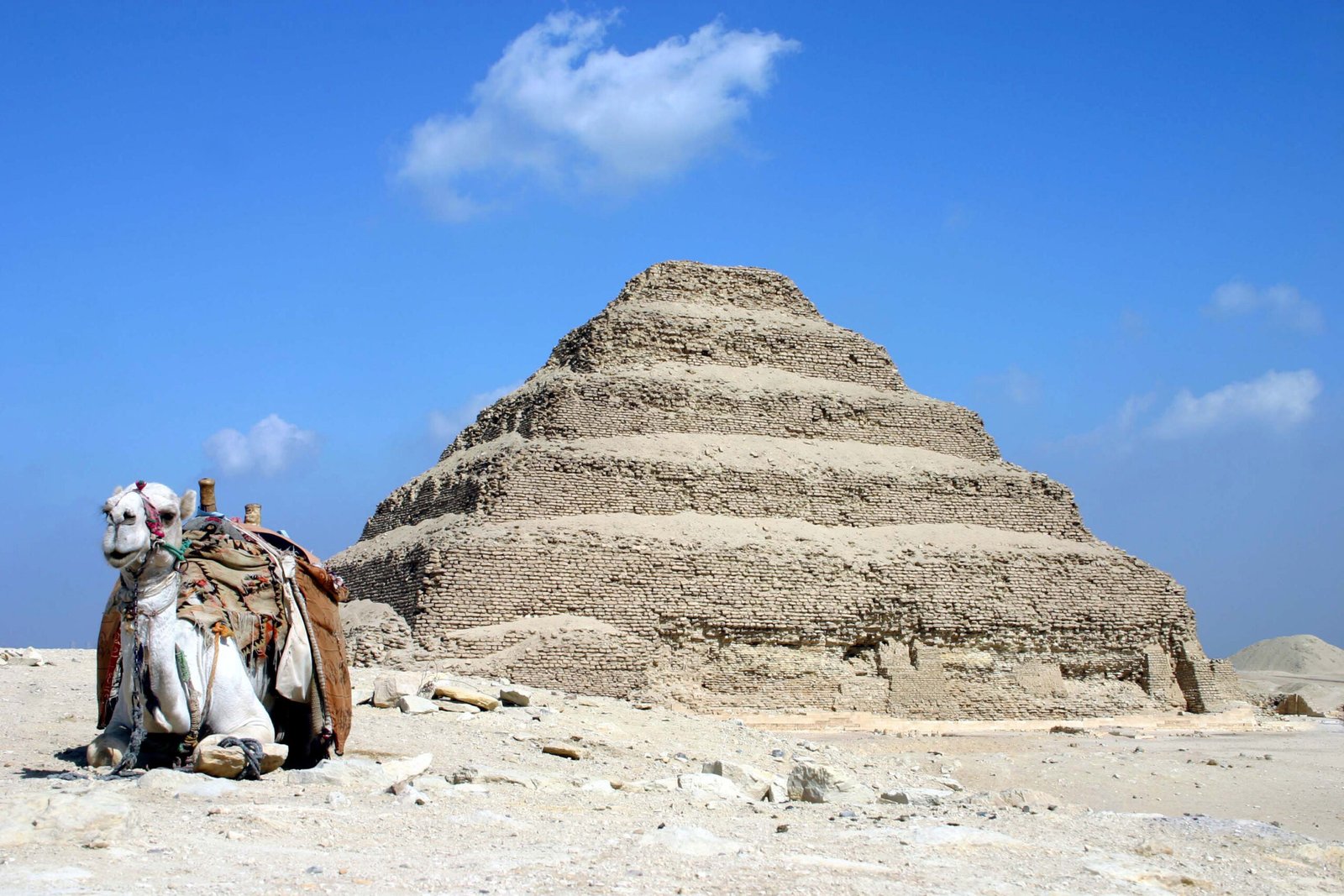
Long before the smooth-sided wonders of Giza pierced the desert sky, the sands of Saqqara birthed the world’s very first monumental stone structure. Conceived during the Third Dynasty (c. 2670 BCE) for Pharaoh Netjerikhet—famously known as Djoser—the Step Pyramid represents humanity’s decisive leap from mudbrick mastabas into eternal megalithic architecture. Orchestrated by the legendary royal polymath Imhotep, this vast necropolis complex remains the true cradle of pharaonic engineering and an indispensable pilgrimage for travelers seeking the authentic genesis of Egyptian monumental civilization.
- The architectural brilliance of Imhotep: stacking six mastabas into a 62-meter stairway to heaven.
- The restored Southern Tomb and deep granite burial shaft subterranean network.
- Surrounding necropolis gems: the Pyramid of Unas (featuring the earliest Pyramid Texts) and pristine noble mastabas.
- Expedition synergy: link your Saqqara journey with our curated insights on the Giza Pyramids Complex, the treasures in the Grand Egyptian Museum, and our bespoke Nile Cruise Planning Guide.
Imhotep’s Genius: The Birth of Megalithic Architecture
Prior to Djoser’s reign, royal tombs were single-story subterranean chambers covered by rectangular mudbrick benches termed mastabas. Royal architect, high priest, and royal physician Imhotep revolutionized construction forever by choosing carved limestone over ephemeral dried mud. By stacking six successively diminishing mastabas one atop another, Imhotep engineered a cosmic staircase designed to propel the divine soul of Djoser directly into the circumpolar night sky.
The Heb-Sed Court and Royal Serdab
Surrounding the primary tier of the Step Pyramid is a 15-hectare complex enclosed by a 10.5-meter-high bastioned limestone wall. Within this enclosure lies the Heb-Sed Court, designed for the pharaoh to perform ritual renewal races across eternity. Adjacent to the pyramid’s northern facade sits the Serdab—a sealed stone chamber featuring two small peepholes. Looking inward reveals a life-sized replica statue of Djoser staring back into the physical realm, observing daily offerings while his Ka inhabited the statue.
“Before Djoser and Imhotep, Egypt built for the span of mortal life; from Saqqara onward, she built solely for eternity.”
Beyond Djoser: Hidden Treasures of the Saqqara Necropolis
Saqqara served as the primary burial ground for Memphis across more than 3,000 years of dynastic history. Travelers should never limit their expedition solely to the Step Pyramid, as the surrounding sand plateau holds some of Egypt’s greatest art and religious epigraphy:
- The Pyramid of Unas: The final ruler of the Fifth Dynasty whose subterranean burial chamber preserves the oldest carved Pyramid Texts on earth, filled with protective spells highlighted in blue-green pigment.
- The Mastaba of Ti: One of the Old Kingdom’s most exquisite non-royal tombs, showcasing vivid painted bas-reliefs of cattle crossing rivers, hippopotamus hunts, and carpenter workshops.
- The Serapeum of Saqqara: A subterranean labyrinth housing 24 monolithic black basalt and granite sarcophagi, each weighing over 60 tons, built to inter the sacred mummified Apis Bulls.
Discerning Traveler Tips
- Ticketing & Inclusions: General admission covers the Saqqara site, the Step Pyramid exterior, the Imhotep Museum, and select open mastabas. Separate tickets are required to enter the interior of Djoser’s Pyramid and the Serapeum.
- Strict Cashless Mandate: Only international credit/debit cards (Visa or Mastercard) are accepted at the Saqqara visitor center booths.
- Ideal Time to Explore: Arrive between 08:00 AM and 10:00 AM. Saqqara has far fewer crowds than Giza, allowing unhurried contemplation before afternoon temperatures peak.
- Sensible Preparation: Expect extensive walking over desert sand and uneven limestone pavement. Wear sturdy footwear, sunglasses, and bring plenty of water.
Experience Saqqara with Cheers Egypt Tours
Because the archaeological footprint of Saqqara spans several kilometers of undulating desert, attempting to navigate the necropolis without scholarly direction often leads to missed tombs and administrative fatigue. Booking your journey with Cheers Egypt Tours guarantees an immersive, peerless travel experience led exclusively by licensed senior Egyptologists.
From VIP fast-track airport assistance upon your arrival in Cairo to private, chauffeured climate-controlled luxury transfers right up to the desert tombs, Cheers Egypt Tours curates your days with effortless elegance. We eliminate stressful negotiations and long ticket queues, securing exclusive permits and bespoke pacing so you can absorb Egypt’s most profound ancient marvel in true comfort.
Frequently Asked Questions
How far is Saqqara from central Cairo or Giza?
Saqqara is located approximately 30 kilometers (18 miles) south of central Cairo and about 40 minutes by private car from the Giza Plateau. Many visitors combine Saqqara with visits to the bent and red pyramids of Dahshur on the same day.
Can foreign visitors go inside the Step Pyramid of Djoser?
Is visiting Saqqara better than visiting the Giza Pyramids?
-
The Giza Plateau: Renowned for monumental scale, the towering triad of pyramids, and the iconic Great Sphinx.
-
The Saqqara Necropolis: Renowned for the genesis of stone architecture, the mysterious underground Serapeum, vivid painted reliefs in noble mastabas, the ancient Pyramid Texts of Unas, and a significantly quieter, uncrowded atmosphere.
Why should I book a Saqqara day tour with Cheers Egypt Tours?
-
Private Door-to-Door Luxury Transport: Effortless transit directly between scattered desert sites in climate-controlled comfort.
-
Accredited Senior Egyptologists: Expert historical narration that decodes intricate hieroglyphs and sacred funerary rituals.
-
Seamless Cashless Management: Complete pre-coordination of tickets and permits without queue delays.
-
Bespoke, Unhurried Pacing: A tailored itinerary that protects you from crowds and street pressure.
Our articles are researched and written by licensed master Egyptologists and private VIP concierges with decades of experience escorting international travelers across Egypt.