

Cairo Citadel of Saladin: Alabaster Mosque, History & Travel Guide | Cheers Egypt Tours

Cairo Citadel of Saladin: Alabaster Mosque, History & Travel Guide | Cheers Egypt Tours
The Cairo Citadel of Saladin: Medieval Fortifications, Alabaster Mosque & Expert Travel Guide
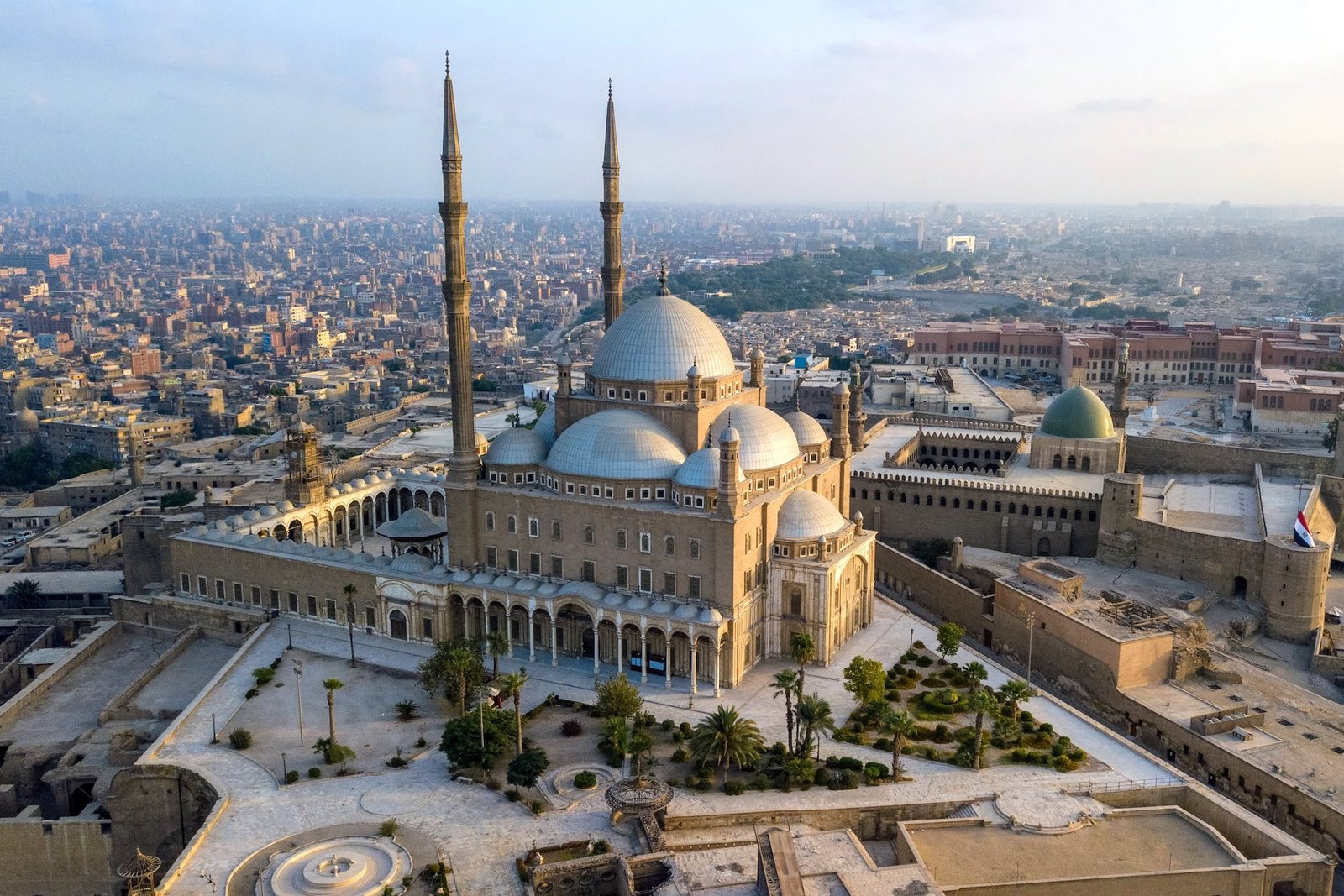
Commanding the rocky limestone foothills of the Mokattam Hills high above the historic capital, the Citadel of Saladin (Qala’at Salah ad-Din) stands as one of the most formidable medieval fortresses in the Islamic world. Commissioned in 1176 CE by the legendary Ayyubid commander Salah ad-Din Al-Ayyubi to defend Cairo and Fustat against Crusader armies, this sprawling hilltop bastion served as the seat of Egyptian governance and royal power for more than seven centuries. Crowned by the soaring Ottoman domes and twin minarets of the Mosque of Muhammad Ali Pasha—the famed “Alabaster Mosque”—the Citadel offers travelers an extraordinary vantage point across Islamic Cairo, pairing military bastions and medieval water engineering with sweeping panoramic vistas that stretch all the way to the Giza Pyramids on clear desert mornings.
- The iconic Great Mosque of Muhammad Ali Pasha, an Ottoman-style architectural jewel encased in pure Egyptian alabaster stone.
- Bir Yusuf (Saladin’s Well), a 90-meter deep medieval engineering marvel spiraled into solid limestone bedrock.
- The historic Mamluk Mosque of Sultan al-Nasir Muhammad, featuring green tile-accented Ottoman-era minarets and antique granite pillars.
- Panoramic observation terraces overlooking the domes and minarets of Historic Cairo, Sultan Hassan Mosque, and the Giza Plateau horizon.
- Expedition synergy: Connect your historic fortress tour with our guides to the royal resting places in the National Museum of Egyptian Civilization (NMEC), the ancient Old Kingdom marvels of the Giza Pyramids Complex, and our premier multi-day Luxury Nile Cruise Planning Guide.
Architectural Splendor: Key Monuments of the Citadel Complex
Because the Citadel evolved under Ayyubid, Mamluk, and Ottoman rulers, its defensive footprint comprises multiple walled enclosures, royal residential quarters, and places of worship constructed across different architectural epochs.
The Alabaster Mosque: Ottoman Majesty in Cairo
Dominating the southern enclosure, the Mosque of Muhammad Ali Pasha is celebrated for its sweeping cascades of cascading semi-domes, centered beneath a primary dome rising 52 meters high, flanked by two pencil-thin minarets reaching 84 meters into the sky. Designed by Turkish architect Yusuf Bushnak, the interior is illuminated by hundreds of suspended brass oil lamps and chandeliers reflecting off polished yellow-white alabaster revetments sourced from quarries in Beni Suef. In the open marble courtyard sits an elaborate copper clock tower presented to Muhammad Ali in 1845 by King Louis-Philippe of France as a reciprocal diplomatic gift for the Luxor Temple obelisk now standing in Paris.
“Perched upon its rocky ridge, the Citadel does not merely guard the city below; it has watched seven centuries of emperors, sultans, and kings shape the crossroads of East and West.”
Discerning Traveler Practical Guide: Tickets & Timing
Because the Citadel spans multiple elevated terraces with open stone courtyards, planning your visit with strategic timing ensures comfortable weather, great photographic lighting, and respectful cultural navigation.
Discerning Traveler Practical Tips
- Cashless Ticketing: The Ministry of Tourism and Antiquities operates strict cashless card-only payment at the main gate kiosks. Carry an international Visa or Mastercard to purchase admission tickets (~450 EGP for foreign visitors).
- Mosque Dress Code & Etiquette: As active religious sites, conservative modest dress is required to enter the mosques within the Citadel. Men and women should have shoulders and knees covered, and women are asked to cover their hair with a scarf inside the prayer halls. Shoes must be removed at the courtyard entrance or covered with protective shoe slips.
- Morning Visibility Strategy: Visit between 08:30 AM and 11:00 AM. Clear morning skies provide the sharpest visibility across the Cairo skyline from the Gawhara Palace terrace, where you can frequently spot the silhouette of the Giza Pyramids across the Nile basin.
- Ideal Itinerary Pairing: Combine your Citadel morning with an afternoon exploring the historic Sultan Hassan Mosque, Al-Rifa’i Mosque, and a guided shopping walk through the bustling medieval lanes of Khan el-Khalili bazaar.
Experience the Cairo Citadel with Cheers Egypt Tours
Navigating the steep cobblestones, historic gates, and multi-layered Islamic architecture of the Citadel requires refined scholarly narration and seamless logistical coordination. When you reserve your Cairo day tour with Cheers Egypt Tours, your exploration becomes an exquisite private experience.
You will travel in private, chauffeured climate-controlled luxury vehicles directly to the fortress entrance, accompanied by an accredited senior Egyptologist and Islamic history specialist. Discover the tactical military genius of Saladin, decode the diplomatic history behind the alabaster halls, and enjoy pre-arranged priority ticketing passes without standing in crowded public lines. Reserve your private tour with Cheers Egypt Tours to experience the greatest citadel of the Islamic world in effortless sophistication.
Frequently Asked Questions
Is the Mosque of Muhammad Ali the same as the Citadel of Saladin?
No, though they are often spoken of together. The Citadel of Saladin is the entire medieval hilltop fortress complex founded in 1176 CE. The Mosque of Muhammad Ali Pasha is the prominent 19th-century Ottoman alabaster mosque constructed inside the southern sector of the fortress walls.
How long does it take to tour the Cairo Citadel?
A typical private guided tour takes between 1.5 and 2 hours. This provides ample time to tour the interior and courtyard of the Alabaster Mosque, visit the Mamluk Mosque of Sultan al-Nasir Muhammad, admire Saladin’s defensive ramparts, and take photographs from the panoramic Mokattam overlook terrace.
Can non-Muslim visitors enter the mosques inside the Citadel?
Yes, visitors of all faiths and backgrounds are warmly welcomed inside both the Mosque of Muhammad Ali and the Mosque of Sultan al-Nasir Muhammad outside of dedicated congregational prayer times, provided proper modest attire is worn and shoes are removed at the entrance.
Why should I book my Cairo Citadel tour with Cheers Egypt Tours?
The roads and parking areas surrounding the Citadel can be congested and stressful to access via local street taxis. Cheers Egypt Tours guarantees private door-to-door luxury transport, pre-purchased tickets, an expert licensed guide who brings medieval Islamic history to life, and a seamless itinerary tailored around your personal schedule.
[EXCERPT] Discover the historic Cairo Citadel of Saladin and the magnificent Alabaster Mosque of Muhammad Ali Pasha with expert guides. Explore medieval ramparts, panoramic city views, tickets, and luxury private tours with Cheers Egypt Tours. [/EXCERPT]
Our articles are researched and written by licensed master Egyptologists and private VIP concierges with decades of experience escorting international travelers across Egypt.