

Luxor Temple Travel Guide: History, Night Hours & Tips | Cheers Egypt Tours

Luxor Temple Travel Guide: History, Night Hours & Tips | Cheers Egypt Tours
Luxor Temple: The Sacred Sanctuary of Rejuvenation & Expert Travel Guide
Resting majestically along the eastern bank of the Nile in the vibrant heart of ancient Thebes, Luxor Temple stands as the eternal sanctuary of divine kingship and cosmic renewal. Known to the ancient Egyptians as Ipet-resyt—”The Southern Sanctuary”—this architectural masterpiece was not built to honor deities through daily sacrificial offerings like standard temples; instead, it served as the sacred stage for the coronation and spiritual rejuvenation of the living pharaoh during the annual Opet Festival. Today, whether illuminated against the twilight sky or viewed along the grand Avenue of Sphinxes, Luxor Temple offers international travelers a peerless journey through the golden dynasties of the New Kingdom and beyond.
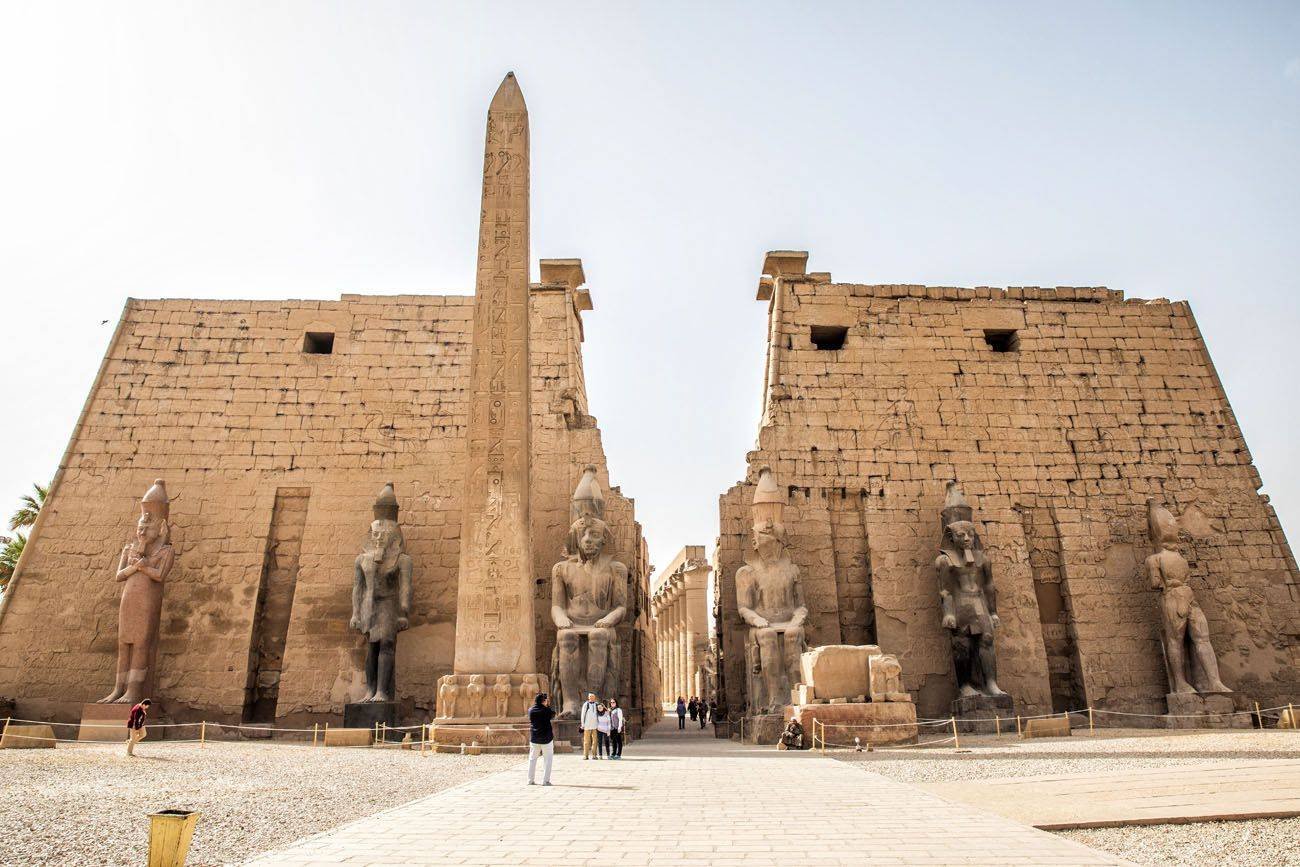
- The grand First Pylon of Ramesses II flanked by colossal seated sculptures and a towering pink granite obelisk.
- The soaring Colonnade of Amenhotep III, featuring 14 massive open-papyrus columns rising 16 meters high.
- The restored 2.7-kilometer Avenue of Sphinxes linking Luxor Temple directly to Karnak.
- The Mosque of Abu el-Haggag, built directly within the upper ruins of the pharaonic temple court.
- Expedition synergy: Expand your New Kingdom journey with our curated guides to the Karnak Temple Complex, the subterranean tombs of the Valley of the Kings, and our signature Luxury Nile Cruise Planning Guide.
Royal Architecture: The Dual Builders of Luxor Temple
Unlike Karnak, which reflects contributions from dozens of pharaohs over two thousand years, Luxor Temple is primarily the cohesive vision of two towering figures: the Eighteenth Dynasty visionary Amenhotep III and the Nineteenth Dynasty imperial conqueror Ramesses II, with later sacred additions by Tutankhamun and Alexander the Great.
The Opet Festival: Renewal of the Royal Ka
Once a year during the height of the Nile flood, Thebes celebrated the magnificent Opet Festival. Statues of Amun-Ra, his consort Mut, and their son Khonsu were carried south from Karnak to Luxor Temple aboard golden sacred river barques accompanied by dancers, drummers, and soldiers. Inside the deep sanctuary of Luxor Temple, sacred coronation rites were enacted: the pharaoh was spiritually united with his royal Ka (vital life force), emerging revitalized as the living, divine earthly embodiment of Amun.
“At Luxor Temple, stone does not merely commemorate a king’s mortal reign; it captures the eternal moment when mortal man merges with divine power.”
Layers of Eternity: The Mosque and the Missing Obelisk
Luxor Temple showcases an extraordinary continuous history of active worship across millennia. Perched several meters above the courtyard of Ramesses II stands the 13th-century Mosque of Abu el-Haggag. When the mosque was built, centuries of desert sand and silt had buried the temple up to its column capitals, leaving the entrance doorway high above the original pharaonic floor level.
In front of the First Pylon stands a majestic 25-meter pink granite obelisk. Its twin obelisk was gifted to France in 1833 by Muhammad Ali Pasha and now stands proudly in Paris at the center of the Place de la Concorde.
Discerning Traveler Tips
- Night Illuminations: Luxor Temple is one of Egypt’s few major monuments fully lit after dark. Arriving around 05:30 PM allows you to view the temple in the golden sunset and see the sandstone columns glow warmly against the night sky.
- Cashless Ticketing: The Ministry of Tourism and Antiquities operates strict cashless ticketing counters. Admission (~450 EGP for foreign adults) must be paid with Visa or Mastercard.
- Prime Location: Unlike remote desert necropolises, Luxor Temple sits directly within the town center along the Corniche, making it an easy stroll from luxury hotels like the historic Sofitel Winter Palace.
- Dress Code & Footwear: Comfortable, cushioned flat walking shoes are ideal for navigating the paved stone courtyards and open-air ramps. Modest, breathable clothing is recommended.
Experience Luxor Temple with Cheers Egypt Tours
Understanding the layered theological rituals, ancient graffiti, and royal coronation reliefs of Luxor Temple requires scholarly storytelling and seamless travel logistics. When you reserve your Luxor experience with Cheers Egypt Tours, your journey becomes a bespoke, unforgettable private expedition.
Our guests are accompanied exclusively by licensed senior Egyptologists who decode the intricate relief panels of the Opet Festival and reveal secluded architectural details missed by large tour groups. From VIP fast-track airport assistance to chauffeured, air-conditioned luxury vehicle transfers, Cheers Egypt Tours guarantees unmatched comfort, elegance, and personalized pacing throughout your stay in ancient Thebes.
Frequently Asked Questions
Is it better to visit Luxor Temple during the day or at night?
While daytime visits offer crisp clarity for inspecting hieroglyphic inscriptions and reliefs, visiting at dusk and into the evening is widely considered the superior experience. The sophisticated warm floodlighting illuminates the colossal statues and towering columns against the deep blue night sky, creating a magical atmosphere and cooler temperatures.
How long does it take to tour Luxor Temple?
A comprehensive private guided visit typically takes between 1.5 and 2 hours. This provides ample time to explore the First Pylon, Ramesses II’s court, the Colonnade, the inner sanctuary of Alexander the Great, and the starting point of the Avenue of Sphinxes.
Can I visit both Karnak Temple and Luxor Temple on the same day?
Yes, they are located only 2.7 kilometers apart on the East Bank of Luxor. A popular itinerary starts early in the morning at Karnak to beat the daytime heat, followed by an afternoon break, and concludes with an evening exploration of Luxor Temple under the lights.
Why should I book my Luxor Temple tour with Cheers Egypt Tours?
Exploring with Cheers Egypt Tours shields you from street pressure, long ticket queues, and overcrowded tour buses. You will have a dedicated senior Egyptologist to bring the monument’s sacred history to life, private climate-controlled transfers, and a personalized itinerary designed around your comfort and preferred schedule.
[EXCERPT] Explore the illuminated splendor of Luxor Temple with expert Egyptologist insights. Discover the Avenue of Sphinxes, Opet Festival history, tickets, and luxury private tours with Cheers Egypt Tours. [/EXCERPT]
Our articles are researched and written by licensed master Egyptologists and private VIP concierges with decades of experience escorting international travelers across Egypt.