

Mit Rahina Museum & Memphis Giza Tour: Travel Guide & Tickets | Cheers Egypt Tours

Mit Rahina Museum & Memphis Giza Tour: Travel Guide & Tickets | Cheers Egypt Tours
Mit Rahina Museum & Ancient Memphis: Egypt’s First Imperial Capital & Travel Guide
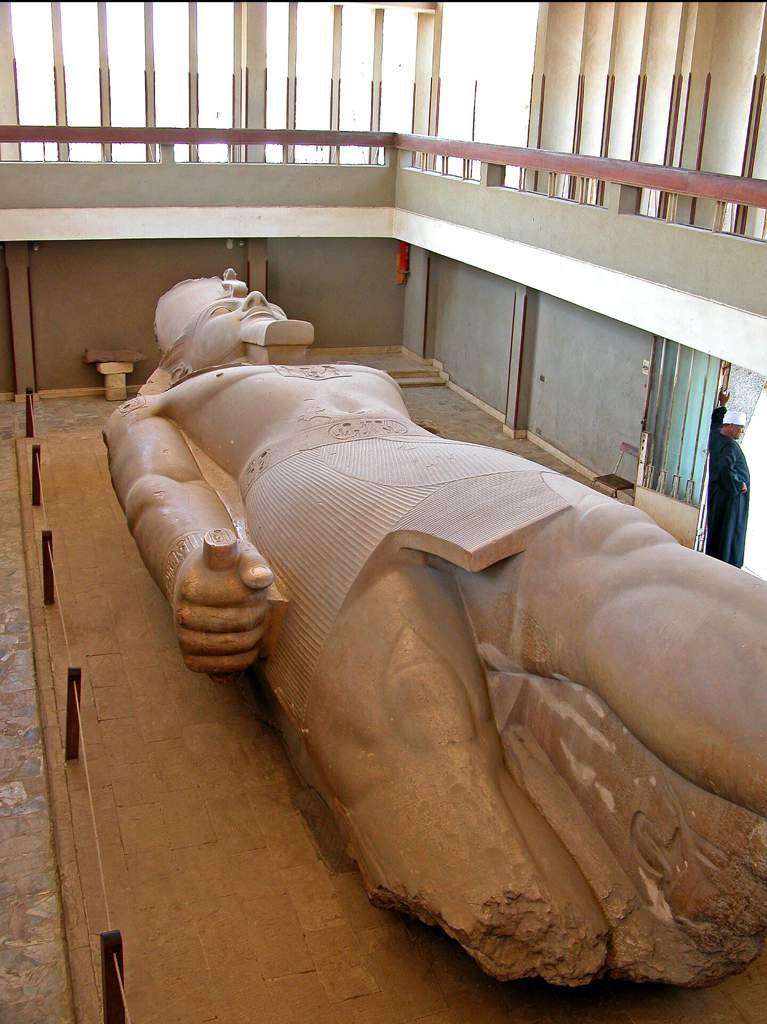
Tucked amidst lush date palm groves roughly 20 kilometers south of modern Cairo lies Mit Rahina—the sacred archaeological heart of ancient Memphis, the very first unified capital of pharaonic Egypt. Founded around 3100 BCE by King Menes (Narmer) at the strategic apex of the Nile Delta, Memphis flourished for over three millennia as the political, commercial, and religious center of the Old Kingdom, revered as Ineb-Hedj (“The White Walls”) and sacred to the creator deity Ptah. Today, the open-air Mit Rahina Museum preserves the monumental sculptural remnants of this lost metropolis, anchored by the awe-inspiring fallen Colossus of Ramesses II and the serene Alabaster Sphinx—offering discerning travelers an essential chapter in Egypt’s Old Kingdom story.
- The colossal 10-meter fallen limestone statue of Ramesses II, housed inside a dedicated indoor viewing gallery.
- The monumental 80-ton Alabaster Sphinx of Memphis, carved from a single block of translucent Egyptian calcite.
- Open-air sculpture gardens featuring colossal granite statues of Ramesses II, triad stelae, and Apis Bull embalming tables.
- The strategic birthplace of unified pharaonic statehood and home to the grand Temple of Ptah.
- Expedition synergy: Connect your Old Kingdom journey with our curated guides to the adjacent royal pyramids of Saqqara & The Step Pyramid of Djoser, the monumental megaliths of the Giza Pyramids Complex, and our signature Grand Egyptian Museum (GEM) Guide.
Sculptural Masterpieces: Inside the Mit Rahina Museum
Although much of ancient Memphis’s mud-brick residential quarters dissolved over centuries of Nile flooding and stone quarrying for medieval Cairo, the monumental stone colossi that guarded the Great Temple of Ptah survived intact beneath alluvial silt.
🏛️
Published by Cheers Egypt Tours Egyptology Team
Our articles are researched and written by licensed master Egyptologists and private VIP concierges with decades of experience escorting international travelers across Egypt.
Our articles are researched and written by licensed master Egyptologists and private VIP concierges with decades of experience escorting international travelers across Egypt.